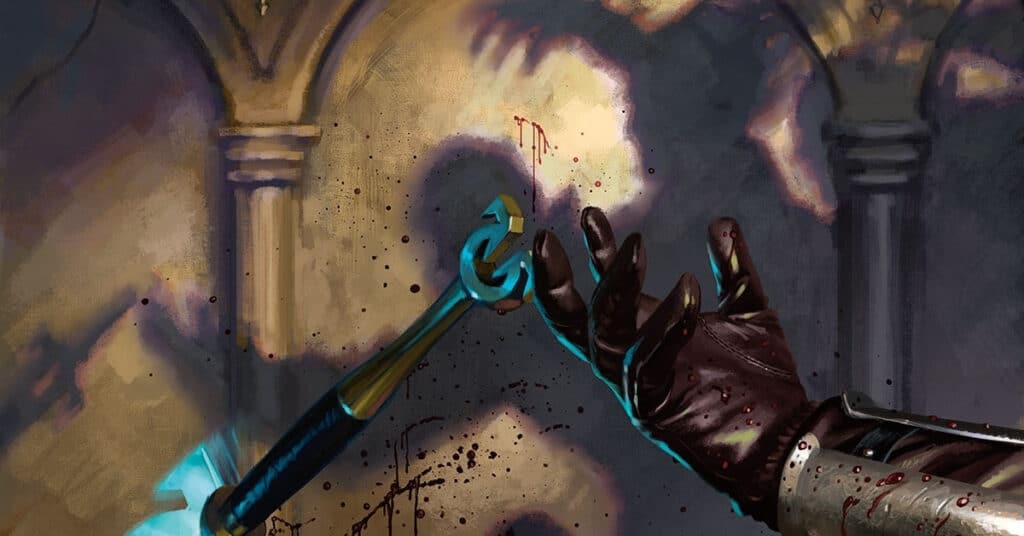


Image created using CharGen
Understanding Chaotic Alignments
When it comes to Dungeons and Dragons (D&D), the chaotic alignment often gets a bad rap. Many players mistakenly interpret “chaotic” as a license to act erratically, disrupt the game, or engage in what we like to refer to as “chaotic stupid” or “Deadpool” behavior. However, it’s crucial to understand that a chaotic alignment doesn’t equate to being disruptive or detrimental to everyone’s enjoyment of the gaming session.
Chaotic characters value personal freedom, flexibility, and independence. They tend to follow their own moral compass rather than adhering strictly to laws or societal norms. A chaotic good character might break an unjust law to help someone in need, while a chaotic neutral character might prioritize their own interests above all else. Even chaotic evil characters, while certainly villainous, aren’t necessarily unpredictable maniacs.
The Problem with “Chaotic Stupid”
We use the term “chaotic stupid” to describe players who use their character’s chaotic alignment as an excuse for random, disruptive actions that derail the game and frustrate other players. This behavior can manifest in various ways:
- Constantly starting unnecessary conflicts
- Making illogical decisions “just because”
- Refusing to cooperate with the party
- Engaging in pointless acts of destruction or violence
These actions not only disrupt the flow of the game but can also diminish the enjoyment of other players and create tension within the group. If the behavior of one player is disrupting the whole group, that behavior needs to be addressed.
Addressing Chaotic Players in DnD
As a Dungeon Master (DM) or fellow player, dealing with chaotic players requires a mix of communication, patience, and sometimes, firm boundaries. Here are some strategies to manage disruptive behavior:
1. Set Clear Expectations
Before the campaign begins, have a “Session Zero” where you discuss the tone of the game, player expectations, and acceptable behavior. Make it clear that while chaotic characters are welcome, actions that consistently disrupt the game or make other players uncomfortable won’t be tolerated.
2. Open Communication
If a player’s behavior is causing issues, address it privately and calmly. Often, the player may not realize how their actions are affecting others. Explain the problem and work together to find a solution that allows them to express their character’s chaotic nature without derailing the game.
3. Encourage Character Development
Help the player develop a more nuanced understanding of their character’s motivations and personality. A well-rounded chaotic character should have reasons for their actions, even if those reasons aren’t immediately apparent to others.
4. Implement In-Game Consequences
If a character’s actions are disruptive, allow natural consequences to unfold within the game world. This can help reinforce the idea that actions have repercussions, even for chaotic characters.
5. Redirect Energy
When a player starts to veer into disruptive territory, try to redirect their energy into more constructive avenues within the game. This could involve giving them a specific task or challenge that aligns with their character’s chaotic nature but contributes to the overall story.
Balancing Chaos and Cooperation
It’s important to remember that D&D is a cooperative game. Even the most chaotic character should have reasons to work with the party and contribute to the overall adventure. Here are some tips for players looking to balance a chaotic alignment with group play:
- Develop a backstory that explains your character’s motivations
- Find common ground with other party members
- Use your chaotic nature to solve problems creatively, not create them needlessly
- Remember that your character, like real people, should grow and evolve over time
When All Else Fails
In some cases, despite best efforts, a player may continue to be disruptive to the point where it significantly impacts the enjoyment of the game for everyone else. In these situations, it may be necessary to have a frank discussion about whether the player’s style is a good fit for the group. Sometimes, the best solution is for the player to find a different group that better aligns with their playstyle.
Conclusion
Chaotic characters can bring excitement, unpredictability, and interesting dynamics to a D&D campaign. However, it’s crucial to distinguish between playing a chaotic character and being a disruptive player. By setting clear expectations, encouraging character development, and maintaining open communication, it’s possible to harness the creative potential of chaotic alignments without sacrificing the fun and cohesion of the group.
Remember, at its core, D&D is about collaborative storytelling and shared adventure. A truly skilled player can embody the spirit of chaos while still contributing positively to the group’s experience. By working together, players and DMs can create a game where all alignments, including chaotic ones, enhance rather than detract from the magical world of D&D.
- About the Author
- Latest Posts

Dan started playing D&D back in Middle School and has played a variety of TTRPGs including an adventure as a Tyranid Hive Master. He is passionate about building BCR into an engaging and helpful community of DnD players. Let’s roll!